Upholstery Cleaning in Your Home: A Practical, Stylish, and Hygienic Approach
Why Upholstery Cleaning Matters for Every Home
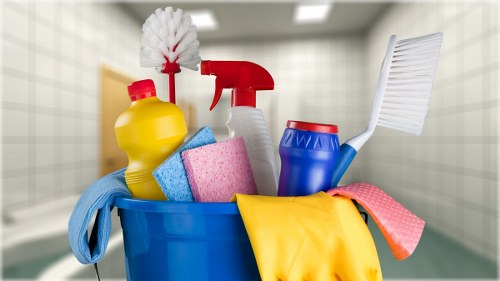
Upholstery cleaning is one of the most overlooked parts of home maintenance, yet it has a major impact on comfort, hygiene, and the overall look of your living space. Sofas, armchairs, dining chairs, ottomans, and even fabric headboards collect dust, body oils, crumbs, pet dander, and everyday grime. Over time, these particles become embedded in the fibers, making furniture appear dull and feel less fresh.
Many people vacuum regularly and wipe down hard surfaces, but forget that upholstered furniture acts like a filter for the room. It traps airborne particles, which means professional upholstery cleaning and consistent home care can help improve both appearance and indoor air quality. If you want a home that feels cleaner and healthier, upholstery cleaning should be part of your regular routine.
Another important reason to prioritize upholstery cleaning is longevity. Quality furniture is an investment, and routine cleaning helps protect that investment. When dirt sits in the fabric for too long, it can weaken fibers, cause premature wear, and even create permanent staining. A properly maintained sofa or chair will last longer, look better, and remain more comfortable for everyday use.
Understanding Different Types of Upholstery Fabric

Not all furniture fabrics are the same, and effective upholstery cleaning begins with understanding what your furniture is made of. Cotton, linen, polyester, microfiber, velvet, leather, and synthetic blends each require different care methods. Using the wrong cleaning product or too much moisture can damage the fabric, leave watermarks, or cause shrinkage.
Fabric labels often include cleaning codes such as W, S, WS, or X. These codes are extremely helpful because they indicate whether the upholstery can be cleaned with water-based solutions, solvent-based cleaners, a combination of both, or only vacuumed. Before attempting any upholstery cleaning, always check the label or manufacturer’s instructions.
For example, microfiber is often durable and responds well to gentle upholstery cleaning methods, while velvet can be more delicate and may need special attention to avoid flattening the pile. Leather upholstery, on the other hand, requires conditioning and cleaning products specifically designed for hide surfaces rather than standard fabric cleaners. Knowing the difference prevents costly mistakes and improves results.
Common Upholstery Problems and How They Start
Most upholstery cleaning challenges begin with routine daily use. Food spills, sweat, dust, pet hair, makeup transfer, and accidental stains all accumulate gradually. Because furniture is used so often, these issues can become deeply embedded before they are even noticed. By the time a stain becomes visible, it may have already settled into the lower layers of the fabric.
Odors are another common concern. Upholstered furniture absorbs smells from cooking, pets, smoke, and humidity. Over time, these odors become trapped in the fibers and padding, making a room feel less inviting. Regular upholstery cleaning helps remove the source of the smell rather than simply masking it with air fresheners.
Allergens can also build up in sofas and chairs. Dust mites, pollen, and pet dander can linger in fabric surfaces, especially in homes with pets or frequent visitors. That is why deep upholstery cleaning is often recommended for families looking to create a more comfortable indoor environment. Clean furniture supports a cleaner-feeling home overall.
Professional Upholstery Cleaning vs. DIY Methods
Homeowners often wonder whether to clean upholstery themselves or hire professionals. Both approaches have advantages, and the right choice depends on the fabric type, the level of soiling, and the kind of stain involved. A basic DIY upholstery cleaning can work well for light refreshment, while more intensive care often benefits from expert equipment and experience.
DIY upholstery cleaning is usually suitable for routine maintenance. Vacuuming, spot cleaning, and using fabric-safe solutions can help manage minor spills and keep furniture looking tidy. However, if a stain is old, the fabric is delicate, or the furniture is expensive, professional upholstery cleaning may be the safer choice.
Professional services typically use advanced extraction machines, specialized cleaning agents, and tested techniques to remove dirt from deep within the fabric. This can produce more thorough results, especially on large items like sectionals, recliners, and dining sets. For households that want a deeper refresh, professional upholstery cleaning often provides better long-term value.
How Upholstery Cleaning Works
Although methods vary, most upholstery cleaning processes follow a similar structure. First, the furniture is inspected for fabric type, condition, stains, and weak seams. Next, loose dirt and debris are removed using a vacuum or dry extraction tool. This step is essential because cleaning over loose grit can grind particles deeper into the fibers.
After inspection and vacuuming, a suitable cleaning product is applied. Depending on the fabric, this may be a water-based foam, a solvent cleaner, or a low-moisture solution. The product breaks down dirt and stains so they can be lifted from the upholstery. In many cases, agitation with a soft brush or microfiber cloth helps improve the results without damaging the material.
The final stage is extraction or wiping, followed by controlled drying. Good upholstery cleaning should leave the furniture clean but not soaked. Excess moisture can lead to shrinkage, mildew, or lingering odors, which is why proper technique matters so much. When done correctly, upholstery cleaning restores freshness while protecting the fabric structure.
Benefits of Regular Upholstery Cleaning
There are many reasons to make upholstery cleaning a regular habit. The most obvious benefit is appearance. Clean furniture looks brighter, fresher, and more inviting. Stains, dull patches, and grime can make even a beautiful room feel neglected, while clean upholstery helps the entire space look well cared for.
Another major benefit is hygiene. Sofas and chairs can harbor bacteria, allergens, and debris that build up over time. Routine upholstery cleaning reduces this buildup and helps maintain a healthier indoor environment. This is especially helpful for households with children, pets, or anyone sensitive to dust and allergens.
There is also a financial benefit. Well-maintained upholstery lasts longer, meaning you may not need to replace furniture as often. When fabrics are cleaned properly, they resist wear better and keep their color and texture for a longer period. In short, regular upholstery cleaning is both a cosmetic improvement and a smart long-term investment.
Best Practices for Day-to-Day Upholstery Care
To keep furniture in great shape between deep cleans, it helps to build a few simple habits. These small actions reduce buildup and make future upholstery cleaning easier. For example, vacuum upholstered surfaces weekly using an upholstery attachment to remove dust, crumbs, and pet hair before they settle in.
It is also helpful to rotate cushions regularly. This prevents uneven wear and helps the furniture keep its shape. If cushions are removable, turn them over and swap positions every few weeks. This easy step can make a noticeable difference in the appearance and comfort of your seating.
Other helpful habits include addressing spills immediately, keeping food and messy drinks away from fabric furniture when possible, and protecting upholstery from direct sunlight. Sun exposure can fade fabric over time, so placing furniture away from windows or using curtains can preserve the color. A little daily care goes a long way in supporting long-lasting upholstery cleaning results.
How to Treat Common Stains on Upholstery
Spills happen, and fast action is usually the key to successful stain removal. The first rule of upholstery cleaning is to blot, not rub. Rubbing spreads the stain and pushes it deeper into the fibers, while blotting lifts excess liquid before it sets. Always use a clean, white cloth to avoid transferring dye.
Different stains require different approaches. For example, coffee and tea stains may respond well to a mild upholstery cleaning solution and careful blotting. Grease stains often need an absorbent powder first, while pet accidents may require enzymatic cleaners that help break down organic matter and odors. Testing any product on a hidden area first is always a smart idea.
For tough or unknown stains, patience is important. Repeated gentle treatment is often more effective than harsh scrubbing. If a stain remains after several attempts, professional upholstery cleaning may be the safest way to avoid damage. Acting quickly and using the right method can prevent small accidents from becoming permanent marks.
Upholstery Cleaning for Homes with Pets and Children
Homes with pets and children tend to need upholstery cleaning more often because furniture sees heavier use. Pets shed hair, track in dirt, and may leave behind odors or occasional accidents. Children may spill juice, leave sticky fingerprints, or use the sofa as a play area. These everyday realities make maintenance especially important.
For pet owners, vacuuming several times a week can make a huge difference. A rubber brush or pet hair attachment helps lift fur from fabric more effectively than a standard nozzle. Odor control is another priority, so regular upholstery cleaning can help keep furniture smelling fresh even in active households.
Families with children should focus on stain prevention and quick cleanup. Using washable throws, encouraging snack-free seating when possible, and treating spills immediately can reduce long-term damage. When life gets busy, upholstery cleaning helps restore order and keep family furniture ready for everyday use.
Signs Your Furniture Needs Deep Cleaning
Sometimes the need for upholstery cleaning is obvious, but in other cases the signs are subtle. If your sofa looks dull, feels sticky, smells stale, or has visible darkened areas on the arms and seat cushions, it is likely due for a deep clean. These are common indicators that dirt and body oils have built up over time.
Another sign is increased allergy symptoms when you sit on or near the furniture. Sneezing, itchy eyes, or a dusty smell can suggest that allergens have accumulated in the fabric. In these situations, upholstery cleaning can help improve comfort and reduce irritants in the home.
If the furniture feels rough, stiff, or uneven, buildup may be affecting the texture as well. Clean upholstery should feel fresh and pleasant, not greasy or worn. When the surface no longer responds to normal vacuuming, it is time to schedule a more detailed upholstery cleaning treatment.
How Often Should Upholstery Be Cleaned?
The ideal cleaning schedule depends on how the furniture is used. For most homes, a light upholstery cleaning routine should happen weekly or biweekly through vacuuming and spot checks. A deeper clean is often recommended every 12 to 18 months, though busy households may need it more often.
Homes with pets, smokers, or young children may require more frequent upholstery cleaning because fabrics are exposed to more dirt and odors. Similarly, furniture in high-traffic spaces like family rooms may need extra attention compared with rarely used guest seating. The more use the furniture gets, the more often it should be cleaned.
If you notice stains, odors, or buildup before your scheduled clean, do not wait. Quick action can prevent more serious damage and keep the furniture looking newer for longer. A regular upholstery cleaning plan is the best way to stay ahead of wear and tear.
Choosing Safe Cleaning Products for Upholstery
Selecting the right products is essential for safe and effective upholstery cleaning. Harsh chemicals can discolor fabrics, weaken fibers, or leave behind residue that attracts more dirt. Instead, look for products labeled as fabric-safe, upholstery-safe, or suitable for your specific material type.
Eco-friendly upholstery cleaning products are increasingly popular because they can be gentler on both fabrics and indoor air quality. Many homeowners prefer low-odor or plant-based formulas that clean effectively without leaving strong chemical smells behind. This can be especially appealing in homes with children, pets, or sensitive occupants.
Regardless of the cleaner you choose, always perform a spot test in an inconspicuous area. This step may seem small, but it can prevent discoloration or damage across the entire piece. Safe product selection is one of the simplest ways to improve your upholstery cleaning outcomes.
Why Drying Matters After Upholstery Cleaning
Drying is just as important as the cleaning itself. If upholstery remains damp too long, it can develop odors, mildew, or water stains. Good airflow, open windows, and fans can speed up the drying process and help preserve the condition of the fabric.
Avoid sitting on freshly cleaned furniture until it is completely dry. Pressure can distort damp fabric and leave marks that interfere with the final result. In some cases, professional upholstery cleaning services use equipment designed to remove excess moisture and shorten drying time.
Patience during this stage pays off. Proper drying helps the fabric look its best and reduces the chance of recurring problems. When upholstery cleaning is followed by careful drying, the finished result is cleaner, fresher, and more durable.
Upholstery Cleaning as Part of a Cleaner Home
Clean furniture contributes to a clean home in ways people often underestimate. Because upholstered items occupy so much visible space, they strongly influence how fresh a room feels. A spotless sofa can make the whole living area appear brighter and more welcoming.
When upholstery cleaning is done regularly, it also supports other cleaning efforts. Less dust in furniture means less dust circulating in the room. This can help reduce the amount of effort needed for general cleaning and make everyday maintenance feel easier and more manageable.
For anyone trying to create a healthier and more attractive home environment, upholstery cleaning should be viewed as a central part of the process rather than an optional extra. It supports comfort, visual appeal, and long-term furniture care all at once.
Practical Reasons to Book Professional Upholstery Cleaning
There are many situations where booking professional upholstery cleaning makes sense. If you are preparing for guests, moving into a new home, recovering from a spill, or refreshing furniture after years of use, expert cleaning can save time and deliver noticeable results. Professionals often remove buildup that routine vacuuming cannot reach.
In addition, expert cleaners understand how to handle difficult fabrics and stubborn stains. Their tools and methods are designed to clean effectively while minimizing the risk of damage. This is especially valuable for antique furniture, premium fabrics, or pieces with sentimental value.
If your furniture deserves a fresh start, book your service now and give your upholstery the attention it needs. A well-timed professional treatment can dramatically improve the look, feel, and freshness of your home.
Final Thoughts on Upholstery Cleaning
Upholstery cleaning is more than a cosmetic task. It plays a key role in protecting your furniture, supporting a healthier living space, and keeping your home looking polished. With the right care, upholstered pieces can stay attractive and comfortable for many years.
From routine vacuuming to stain treatment and deep professional care, every step contributes to better results. Whether you are maintaining a favorite sofa or refreshing all the seating in your home, regular upholstery cleaning helps preserve both style and function. It is a simple habit with lasting benefits.
If your furniture is showing signs of wear, odors, or buildup, now is the perfect time to act. Contact us today or arrange a professional upholstery cleaning appointment to restore freshness and comfort to your space. Your furniture, your home, and your guests will all notice the difference.
Helpful Upholstery Cleaning Reminders
- Vacuum regularly to remove loose dirt and dust before it settles deep into the fibers.
- Blot spills quickly instead of rubbing them into the fabric.
- Check cleaning codes before using any product on upholstered furniture.
- Rotate cushions to reduce uneven wear and fading.
- Schedule deep cleaning based on usage, fabric type, and household needs.
Smart Habits That Support Long-Term Results
Consistency is the secret to keeping furniture in great condition. Small habits like removing pet hair, avoiding harsh cleaners, and using fabric-safe protection can extend the life of your furniture. When combined with periodic upholstery cleaning, these habits help preserve appearance and comfort.
A Simple Takeaway
Clean upholstery makes a home feel cleaner, healthier, and more inviting. With the right mix of regular care and occasional deep cleaning, you can keep your furniture looking its best for years to come.