Stain Removal in Everyday Life: Practical Methods for Cleaner Clothes, Fabrics, and Surfaces
Stain removal is one of those everyday household skills that can save time, money, and frustration. Whether it is a coffee spill on a shirt, grease on a kitchen towel, or a wine mark on upholstery, the right stain removal approach can make the difference between a permanent blemish and a quick recovery. Many people search for stain removal tips because stains happen fast, but solutions are often easier than they seem when you understand the fabric, the stain type, and the best cleaning method.
Effective stain removal is not just about scrubbing harder. In fact, aggressive rubbing can push a stain deeper into fibers and make the problem worse. The smartest stain removal methods combine speed, the correct cleaning agent, and gentle but focused action. With the right routine, you can handle a wide range of stain removal challenges on clothing, carpets, upholstery, and hard surfaces.
In this article, we will look at the science and strategy behind stain removal, explore common stain types, and share practical techniques that help protect your fabrics and finishes. You will also find useful stain removal advice for home, laundry, and emergency cleanup situations. If you want cleaner results and fewer damaged materials, understanding stain removal is a must.
Why Stain Removal Matters for Homes and Businesses
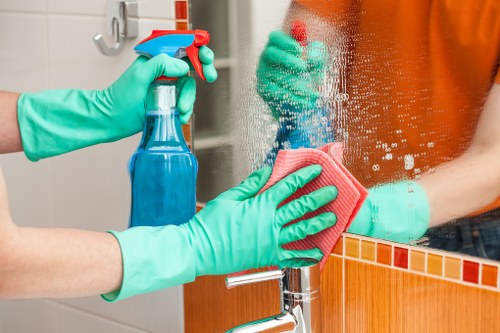
Stain removal matters because stains affect appearance, hygiene, and longevity. On clothing, stains can make garments look old before their time. On carpets and furniture, stains can create a neglected look and even lead to odor or material breakdown if left untreated. Reliable stain removal helps preserve the value of items you already own.
For businesses, stain removal is also about presentation. Restaurants, hotels, offices, salons, and retail spaces all rely on clean surfaces and fabrics to maintain a professional image. Fast stain removal can support customer trust, improve workplace standards, and reduce replacement costs.
Another reason stain removal is important is that different stains behave differently. A protein-based stain, such as blood or dairy, needs a different stain removal strategy than an oil-based stain, such as salad dressing or makeup. Learning the basics helps you choose the correct treatment the first time.
Common Stain Removal Mistakes to Avoid
One of the biggest stain removal mistakes is waiting too long. Fresh stains are much easier to treat than set-in stains. Another common mistake is using hot water too early, especially with protein stains, because heat can lock the stain into the fabric.
- Do not rub stains aggressively.
- Do not mix chemicals unless the label specifically allows it.
- Do not dry a stained item before confirming the stain is gone.
- Do not assume one product works for every stain removal problem.
When handled correctly, stain removal becomes a manageable habit rather than a stressful emergency. The key is to act quickly, identify the stain, and use the safest effective method.
Understanding Stain Types Before You Start Stain Removal
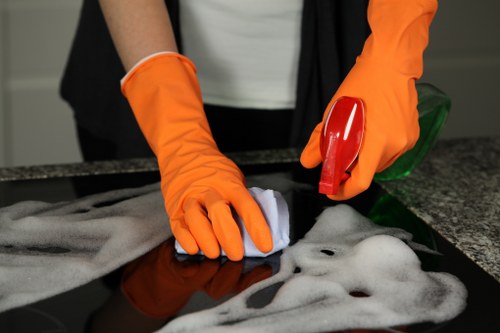
Good stain removal begins with identifying the stain type. Most stains fall into a few broad categories, and each one responds best to certain cleaning methods. Knowing the category helps you avoid trial and error that could worsen the mark.
Water-based stains include juice, coffee, tea, soda, and some food spills. These often respond well to blotting and gentle detergent solutions. Oil-based stains include grease, cosmetics, butter, and salad dressing, which often require degreasing agents. Protein stains include blood, egg, dairy, and sweat, and these usually need cool water and enzyme-based cleaners.
Combination stains are especially common and can be tricky. For example, pasta sauce may contain oil, tomato pigments, and protein from meat or cheese. In these cases, stain removal may require more than one step.
Quick Stain Categories
- Water-soluble stains - easy to lift with water and detergent.
- Oil-based stains - need absorbent or grease-cutting treatment.
- Protein stains - respond best to enzyme cleaners and cool water.
- Dye stains - from ink, wine, or colored drinks, often requiring specialty stain removal.
- Oxidizable stains - such as fruit or grass, which may benefit from oxygen-based products.
When you match the stain to the right method, stain removal becomes more predictable and less damaging to the material.
Essential Stain Removal Supplies to Keep at Home
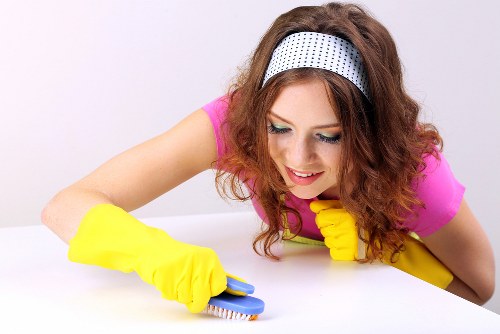
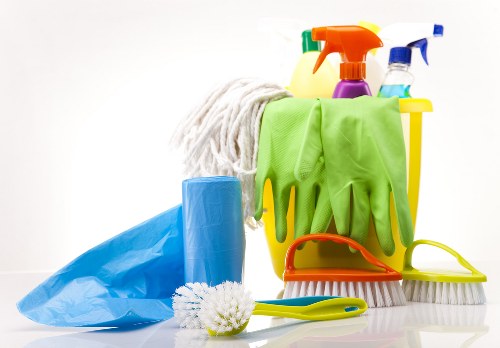
A simple stain removal kit can make a huge difference in your response time. You do not need dozens of products. A few reliable items are enough to handle most common spills and marks. Being prepared helps you respond quickly and improve the odds of successful stain removal.
Useful items include mild liquid laundry detergent, white vinegar, baking soda, hydrogen peroxide, oxygen bleach, dish soap, microfiber cloths, clean towels, a soft-bristled brush, and a spray bottle. For delicate fabrics, a pH-neutral cleaner and a stain remover designed for sensitive textiles can be helpful.
Having a stain removal kit near the laundry area, kitchen, or utility closet makes it easier to act fast. If you have children, pets, or high-traffic areas, a portable stain removal kit can be especially valuable for immediate treatment.
What to Include in a Basic Stain Removal Kit
- White absorbent cloths or paper towels
- Liquid dish soap for grease and food stains
- Enzyme-based cleaner for organic stains
- Oxygen-based stain remover for laundry
- Baking soda for deodorizing and light abrasion
- Small brush or old toothbrush
- Spray bottle with water
Well-chosen supplies make stain removal faster, safer, and more effective. They also reduce the temptation to use harsh chemicals that may damage fabrics or finishes.
Step-by-Step Stain Removal Process for Better Results
A consistent process improves stain removal results across many materials. Even though each stain is different, the overall approach is often similar. First, identify the stain and check the care label. Second, blot away excess material without rubbing. Third, apply the appropriate stain removal solution. Fourth, rinse or launder as directed. Finally, inspect the area before drying.
Speed matters. The sooner you begin stain removal, the more likely you are to remove the stain completely. If you cannot treat the stain immediately, keep the area from setting by blotting gently and avoiding heat. Heat from dryers, irons, or hot water can permanently set many stains.
It is also important to test stain removal products on a hidden area first, especially on delicate or colored materials. This helps ensure the product will not bleach, fade, or distort the fabric. With careful testing and proper technique, stain removal becomes much safer.
How to Treat Fresh Stains
Fresh stains are the easiest to manage because the substance has not yet bonded deeply with the fibers. The first step in stain removal is to remove any excess solids with a spoon or dull edge. Then blot the stain using a clean cloth to lift as much liquid as possible.
For many fresh stains, a small amount of mild detergent mixed with water is enough. Apply it gently, let it sit for a few minutes, and blot again. Repeat as needed. This simple stain removal method works well on coffee, fruit juice, sauces, and many everyday spills.
Important: avoid spreading the stain outward. Work from the outside toward the center to prevent a larger mark. This is a basic stain removal habit that helps preserve the surrounding fabric or surface.
How to Handle Set-In Stains
Set-in stains need more patience. If the stain has already dried or been washed, stain removal may require soaking, specialty products, or multiple rounds of treatment. Enzyme cleaners, oxygen-based stain removers, and longer soak times often help with stubborn marks.
Set-in stain removal is more successful when the product is allowed sufficient time to work. However, always follow label instructions. Too much soaking can weaken some fabrics, so a balanced approach is best.
Stain Removal for Clothes, Sheets, and Delicate Fabrics
Clothing and linens are among the most common items needing stain removal. Because these fabrics are worn close to the skin and washed often, using the wrong technique can cause fading, stretching, or permanent damage. The best stain removal strategy depends on the fabric type and care instructions.
Cotton and polyester blends are usually forgiving and can handle a wider range of stain removal methods. Silk, wool, lace, and rayon are more delicate and often require gentler treatment. When in doubt, use minimal moisture and a product labeled safe for delicate textiles.
For many laundry stains, pre-treatment is one of the most effective stain removal steps. Apply a stain remover directly to the spot, let it sit, then wash in the warmest water the fabric safely allows. Inspect the item before drying, because dryer heat can set any remaining residue.
Best Practices for Laundry Stain Removal
- Treat stains before washing whenever possible.
- Use cool water for blood and other protein-based stains.
- Use detergent or enzyme products for food and sweat stains.
- Check garments before machine drying.
- Repeat stain removal if needed rather than overloading the washer.
Stain removal in laundry is often about patience and process. A second treatment is sometimes safer and more effective than using stronger chemicals the first time.
Special Note on Delicate Fabrics
Delicate fabrics require extra care. Blot gently, use very little product, and avoid harsh scrubbing. If the stain is serious, professional stain removal may be the safest choice. Protecting the fabric is just as important as removing the stain itself.
Stain Removal from Carpets, Rugs, and Upholstery
Fabric-covered furniture and carpets present a different challenge because moisture can soak deep into the material. Successful stain removal here depends on careful blotting, minimal saturation, and proper drying. Over-wetting can lead to water rings, odors, or mildew.
For carpet stain removal, start by lifting any solids and blotting liquids with a dry cloth. Apply a small amount of solution, then blot again with clean water if needed. Fan drying or ventilation helps prevent lingering moisture. Always avoid scrubbing, which can damage carpet fibers and spread the stain.
Upholstery stain removal should also be approached gently. Since furniture fabrics vary widely, look at care codes if available. These codes may indicate whether the fabric can handle water-based cleaners, solvent cleaners, or only professional treatment.
Helpful Carpet and Upholstery Stain Removal Tips
- Blot, do not rub.
- Use small amounts of cleaning solution.
- Test hidden areas first.
- Work slowly to avoid over-saturating the padding.
- Dry thoroughly after treatment.
By staying cautious and methodical, you can improve stain removal outcomes on large soft surfaces without causing secondary damage.
Stain Removal for Kitchen, Bathroom, and Hard Surfaces
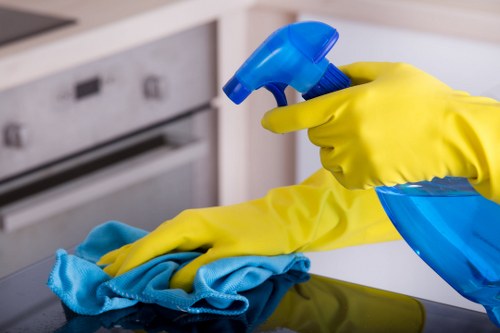
Not all stain removal happens on fabric. Countertops, sinks, tile, grout, and appliances also collect stains from food, soap, rust, minerals, and cleaning residue. Hard-surface stain removal often involves a different approach because the surface can usually tolerate a stronger cleaner than fabric.
In kitchens, stain removal often focuses on grease splatters, coffee rings, tomato sauce, and mineral deposits. In bathrooms, common issues include soap scum, rust, mildew stains, and hard water marks. A non-abrasive cleaner is usually the best starting point, followed by a targeted solution if needed.
Always match the cleaner to the surface. Acidic products may help with mineral stains, but they can damage natural stone. Bleach may disinfect certain surfaces, but it is not appropriate for every material. Good stain removal requires both effectiveness and surface safety.
Examples of Surface-Specific Stain Removal
- Tile and grout: oxygen-based cleaners and soft brushes often work well.
- Stainless steel: mild dish soap and microfiber cloths help prevent streaking.
- Laminate: gentle cleaners reduce the risk of dulling.
- Natural stone: use stone-safe products to avoid etching.
Hard-surface stain removal is often easier than fabric cleaning, but it still requires attention to material safety and proper rinsing.
Natural Stain Removal Methods That Can Help at Home
Many people prefer natural stain removal options when possible. Vinegar, baking soda, lemon juice, and salt are popular household helpers. These ingredients can be useful for certain stains, but they are not universal solutions. Understanding their strengths and limits is essential.
Baking soda is often used for absorbing odors and lifting light residue. Vinegar can help with some mineral deposits and odor-related issues. Lemon juice may assist with certain discoloration problems, while salt can be useful for fresh spills on some surfaces. Natural stain removal can be helpful, but it should still be used carefully.
It is wise to remember that “natural” does not always mean safe for every material. For example, vinegar can damage natural stone, and lemon juice can affect sensitive fabrics. The best stain removal routine uses natural products thoughtfully, not automatically.
When Natural Stain Removal Works Best
- Fresh food and drink spills
- Light odors on washable fabrics
- General cleaning on durable surfaces
- Small stains that have not set deeply
Natural methods can be a good first step, but stubborn or delicate situations may need a specialized stain removal product.
Professional Stain Removal vs. DIY Stain Removal
Do-it-yourself stain removal works well for many household problems, but not every stain should be treated at home. Some stains are too large, too old, or too risky for amateur handling. Professional stain removal services can be especially helpful for expensive rugs, designer garments, heirloom fabrics, and heavily soiled upholstery.
DIY stain removal is usually best when the stain is fresh, the material is durable, and the cleaning method is clear. Professional stain removal may be worth it when the item is valuable, the stain is unknown, or the fabric care instructions are restrictive. Sometimes paying for expert treatment prevents a bigger loss later.
Smart decision-making is part of successful stain removal. The goal is not just to erase the mark, but also to protect the item’s long-term condition.
Signs You May Need Expert Help
- The stain keeps returning after cleaning.
- The material is silk, wool, suede, or another delicate fiber.
- The stain is large, old, or chemically complex.
- The item is expensive or difficult to replace.
Preventing Stains Before They Happen
Preventive habits can reduce how often you need stain removal in the first place. Protective steps are especially useful in kitchens, dining rooms, laundry areas, and homes with children or pets. Prevention is not about eliminating every spill; it is about making cleanup easier and faster.
Simple prevention tips include using placemats, applying fabric protection where appropriate, storing cleaning supplies nearby, and cleaning spills quickly. For clothing, wearing aprons during messy tasks and treating collars or cuffs regularly can reduce the need for intensive stain removal later.
In high-traffic spaces, regular maintenance also helps. Vacuuming carpets, laundering linens frequently, and wiping surfaces before buildup occurs all support easier stain removal. Prevention saves time and helps surfaces stay attractive longer.
Practical Prevention Habits
- Act immediately when a spill occurs.
- Keep stain removal products accessible.
- Use surface-safe protectants when appropriate.
- Wash or wipe items before residue sets in.
- Train household members on basic spill response.
When prevention becomes routine, stain removal becomes less stressful and less frequent.
Frequently Asked Questions About Stain Removal
Why does stain removal sometimes fail? Often the stain was exposed to heat too soon, the wrong product was used, or the stain type was misidentified. Proper stain removal depends on matching the cleaning method to the stain and material.
Can all stains be removed? Not always. Some stains permanently alter fibers or finishes. However, prompt stain removal greatly increases the chance of success.
Is bleach the best stain removal product? Not necessarily. Bleach can be useful in some cases, but it can also damage colors, fibers, and surfaces. Many stains respond better to detergent, oxygen-based cleaners, or enzyme products.
Should I use hot water for stain removal? Only if the fabric and stain type allow it. Hot water is not ideal for all stains, especially protein-based ones.
Conclusion: Make Stain Removal Easier with the Right Approach
Stain removal does not have to feel overwhelming. With a little preparation and the right technique, you can handle many common spills and blemishes confidently. The most important stain removal habits are to act quickly, identify the stain, choose the right cleaner, and avoid heat until the stain is fully gone. These steps make a noticeable difference on clothing, carpets, upholstery, and hard surfaces.
Whether you are dealing with grease, coffee, ink, food, or everyday dirt, consistent stain removal methods can protect your home and extend the life of your belongings. The more you understand the process, the easier it becomes to achieve cleaner, fresher results without unnecessary damage.
If you are facing tough marks, do not wait until they set deeper. Contact us today for help with stain removal solutions that fit your needs, or book your service now if you want fast, reliable results for challenging stains and delicate materials.
A detailed article on stain removal methods for clothes, carpets, upholstery, and hard surfaces, with practical tips, prevention, and CTA.