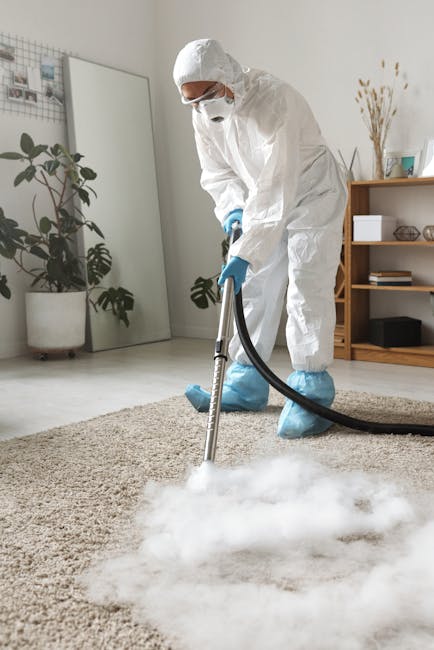
Same day carpet cleaning Knightsbridge for emergency spills: what to do, what to expect, and how to save your carpet
If you have just dropped red wine, coffee, curry sauce, mud, or something worse onto a carpet in Knightsbridge, you probably do not need a lecture. You need help, fast. That is exactly where same day carpet cleaning Knightsbridge for emergency spills becomes useful: quick response, practical stain control, and a proper clean before the spill has time to settle in and cause lasting damage.
In busy homes, rented flats, offices, and hospitality spaces, spills rarely happen at a convenient time. They happen just before guests arrive, after school pickup, or on a rainy evening when everyone is already tired. This guide explains what same day carpet cleaning involves, when it makes sense, how to handle the first few minutes yourself, and how to choose a sensible next step without making the problem worse. A little calm goes a long way here.
We will also look at the main cleaning methods, common mistakes to avoid, and the practical checks that matter in a real emergency. If you are deciding whether to call for help now or wait until tomorrow, this should make the choice clearer.
Table of Contents
- Why Same day carpet cleaning Knightsbridge for emergency spills matters
- How same day emergency carpet cleaning works
- Key benefits and practical advantages
- Who this is for and when it makes sense
- Step-by-step guidance
- Expert tips for better results
- Common mistakes to avoid
- Tools, resources and recommendations
- Law, compliance, standards, or best practice
- Options, methods, and comparison table
- Case study or real-world example
- Practical checklist
- Conclusion
- Frequently asked questions
Why Same day carpet cleaning Knightsbridge for emergency spills Matters
Carpets are absorbent by design. That is great for comfort and acoustics, less great when a spill lands on them. The first minutes after an incident often decide whether you are dealing with a manageable mark or a stubborn stain that migrates deeper into the fibres, underlay, or even the backing.
In Knightsbridge, where many properties have high-value furnishings, mixed fibre carpets, and busy day-to-day use, speed matters even more. A fresh spill on wool behaves differently from a spill on synthetic carpet. A small tea splash in an office reception is not the same as a full glass of wine in a family sitting room. To be fair, people often try to do the right thing and end up pushing the stain further down. It happens all the time.
Same day response matters because:
- stains set quickly when liquids dry into the pile or padding
- odours develop if organic spills are left to sit
- colour transfer can spread if the wrong cloth or detergent is used
- traffic and heat can make the affected area harder to restore later
- delicate carpets may need professional treatment before rubbing or scrubbing causes distortion
There is also a stress factor. If the spill is in a visible place, the room can feel unusable until it is sorted. Same day carpet cleaning is often as much about restoring normal life as it is about stain removal. That sounds simple, but in a tight schedule it is a relief.
Key takeaway: the faster the response, the better the chance of protecting both the carpet fibres and the overall appearance of the room.
How same day emergency carpet cleaning works
Same day carpet cleaning usually starts with a rapid assessment. The cleaner needs to know what spilled, what type of carpet it is, how long ago the spill happened, and whether there are any extra risks such as dye transfer, pet accidents, grease, bleach, or broken glass. A good response is not about rushing blindly; it is about making quick, informed decisions.
In practice, the process often follows a sequence like this:
- Initial call or enquiry to describe the spill and the carpet type.
- Fast triage to judge the likely stain category and the right method.
- Arrival on site with suitable equipment and cleaning solutions.
- Inspection and testing of the affected area and surrounding fibres.
- Pre-treatment to loosen the spill without spreading it.
- Extraction, agitation, or spot cleaning depending on the material and stain.
- Rinsing and residue removal so the area does not attract dirt later.
- Drying advice so the carpet can be used safely again.
Most professionals will choose methods based on the spill, not just the carpet. A protein-based stain like milk or food may need a different approach from coffee or ink. A greasy spill often needs solvent or emulsifying treatment, while water-based spills may be lifted with controlled hot water extraction or targeted spot treatment. The right call matters. A lot.
If the carpet is valuable, antique, wool-rich, or installed in a high-end property, careful testing on a small hidden area is normal best practice. Nobody sensible wants a quick fix that causes colour loss or fibre distortion.
Key benefits and practical advantages
Emergency carpet cleaning is not only about cosmetic improvement. It can help protect the structure of the carpet, reduce downtime, and avoid a much larger cleaning bill later. That is the practical side. The peace-of-mind side is real too.
Here are the main advantages people tend to notice first:
- Better stain recovery because the spill is treated before it settles deeply.
- Less disruption for households, offices, landlords, and short-let operators.
- Reduced risk of odour from drinks, food, pet mess, or organic spills.
- Cleaner presentation for guests, tenants, or customers.
- More appropriate treatment for delicate, natural, or textured carpets.
- Lower chance of DIY damage from over-wetting or harsh products.
There is also a slightly underrated benefit: a professional clean can stop panic decision-making. When someone is frantically blotting with kitchen roll and whatever spray is under the sink, the stain often grows in confidence. A same day visit gives you a plan. That alone is worth something on a stressful day.
For landlords and agents, the benefit is consistency. For homeowners, it is often about keeping a room usable. For businesses, it is about making sure reception areas, meeting rooms, and guest spaces still feel presentable by evening. Different settings, same problem.
Who this is for and when it makes sense
Same day carpet cleaning is useful for anyone who cannot reasonably wait several days for a routine appointment. Some spills are just annoying. Others are urgent because of staining risk, odour, hygiene concerns, or the need to use the room again quickly.
It usually makes sense for:
- homeowners dealing with food, drink, makeup, paint, or pet accidents
- tenants who need to protect a deposit and keep the property in good order
- landlords and letting agents handling move-in, move-out, or mid-tenancy incidents
- offices and commercial premises where spills affect a working environment
- hospitality venues needing a quick turnaround before guests return
- families with children where spills happen, well, naturally and often
It is especially sensible when the spill involves:
- red wine or coloured drinks
- coffee, tea, or milk
- greasy food or cooking oil
- pet urine, vomit, or other organic matter
- mud tracked in on a wet London day
- ink, makeup, nail varnish, or dye transfer
If the carpet is still damp and the stain is visible, there is usually no harm in seeking same day advice early. Even a quick assessment can prevent a mistake. Better to ask than to scrub first and regret it later, honestly.
Step-by-step guidance
If an emergency spill lands on your carpet, the first few actions are simple, but they need to be done in the right order. A calm response is surprisingly effective.
- Stay off the area if possible. Foot traffic presses liquid deeper into the fibres.
- Remove solids carefully. Use a spoon, blunt edge, or paper towel to lift food without rubbing.
- Blot, do not scrub. Press gently with clean white cloths or paper towels to absorb as much as you can.
- Protect the stain boundary. Work from the outside in so the mark does not spread.
- Avoid random cleaning products. Mixing products is a bad idea. Some ingredients can react badly, and some can bleach the carpet.
- Keep water use controlled. Over-wetting can push the spill into the underlay and slow drying.
- Note what spilled and when. This helps a cleaner choose the right method more quickly.
- Arrange same day carpet cleaning if needed. If the stain is noticeable, sticky, smelly, or unknown, professional help is usually the safest move.
For example, if a glass of black coffee falls near a sofa, you might initially think the mark is small. Then the nap of the carpet starts to darken, and a ring appears an hour later. That is often the moment people realise the spill is travelling. Not ideal. Same day treatment can still make a big difference at that stage.
If you are not sure what the spill is, treat it as unknown rather than guessing. That sounds obvious, but in a rush it is easy to forget. Unknown spills deserve a careful approach.
Expert tips for better results
Professionals usually get better outcomes not because they use magic products, but because they control moisture, chemistry, and contact time. Those three things do a lot of the heavy lifting.
- Test before treating. A discreet patch test helps reduce the risk of colour loss, especially on wool or patterned carpet.
- Use white cloths. Bright towels can bleed colour into the carpet, which is rather annoying when you are trying to fix one stain and create another.
- Keep the pile upright. Gentle blotting and careful grooming can help the area dry in a more natural finish.
- Act quickly on organic spills. Milk, food, and pet accidents can smell later even if the mark seems small now.
- Ventilate the room. Fresh air speeds drying and helps prevent musty odours.
- Do not heat-dry too aggressively. Too much heat can set some stains or distort fibres.
One small but useful point: if you are preparing for a cleaner to arrive, keep the area accessible. Move breakables, lift light furniture if safe, and leave a clear route. It saves time, and time matters when a spill is fresh.
Another tip: if the stain is on a carpet runner, stair, or edge detail, mention that early. Corners and stairs often need a slightly different handling method. It is a tiny detail that can save a lot of back-and-forth.
Common mistakes to avoid
Most carpet damage from spills does not come from the spill itself. It comes from the well-meant rescue attempt that follows. Harsh, rushed, or inconsistent treatment can make a small incident much bigger.
- Rubbing hard. This pushes the stain deeper and can fray the pile.
- Using coloured cloths or printed towels. Dyes can transfer into the carpet.
- Flooding the area. More water is not automatically better.
- Applying bleach or strong domestic cleaners. These can strip colour or damage fibres.
- Mixing cleaning products. A common mistake, and not a clever one.
- Drying too slowly. Long damp periods can encourage odour and re-soiling.
- Ignoring the underlay. A stain that looks minor on the surface may have soaked through underneath.
There is one more mistake that gets overlooked: waiting too long because the spill "does not look too bad yet." In real life, the worst-looking stain is not always the most urgent. Sometimes the most urgent spill is the one that is slowly sinking out of sight. That is the sneaky one.
Tools, resources and recommendations
You do not need a van full of equipment to deal with the first minute of a spill, but having the right basics to hand helps. For any household or business that wants to be prepared, a simple emergency kit is worth keeping nearby.
Useful items to keep on hand:
- clean white microfibre cloths
- plain paper towels
- a small bowl of cool water
- a blunt spoon or spatula for lifting solids
- a soft brush for gentle pile grooming
- gloves for hygienic spills
- a note of the carpet fibre if you know it
For choosing a cleaning provider, look for:
- clear explanation of how they handle emergency spills
- experience with different carpet fibres and stain types
- appropriate cleaning methods, not one-size-fits-all promises
- transparent pricing and quote information via pricing and quotes
- clear information about insurance and safety
- easy next-step contact details through the contact page
It can also help to review a company's wider information, not just the service pitch. Pages such as about us, health and safety policy, and terms and conditions give useful context about how a provider works and what standards they follow.
That kind of reading is not glamorous, granted. But in an emergency, a little clarity is a good thing.
Law, compliance, standards, or best practice
Emergency carpet cleaning is not heavily regulated in the same way as some specialist trades, but good practice still matters. In the UK, a professional cleaner should work carefully around safety, property care, chemical handling, and customer privacy. For domestic and commercial properties alike, clear communication and sensible risk management are part of the job.
For the customer, the main practical concerns are straightforward:
- safe use of cleaning products around children, pets, staff, or guests
- care around electrical items and nearby furniture
- appropriate drying advice to reduce slip or re-soiling risks
- clear consent and pricing before work begins
- respect for the property, especially in shared buildings or managed spaces
It is also wise to check that any provider explains how they handle complaints, security, and data. That is where utility pages such as complaints procedure, payment and security, and privacy policy become relevant. Not exciting, no. Still important.
Where sustainability matters to you or your building, you may also want to understand how waste water, product choice, and equipment use are managed. A company's recycling and sustainability information can help here.
Practical best practice: always choose a cleaner who is clear about what they can and cannot do on the day, especially with delicate fibres, antique carpets, or unidentified stains.
Options, methods, and comparison table
Not every emergency spill needs the same response. Some marks are best handled with targeted spot treatment, while others need a deeper extraction. Knowing the difference helps you make a better decision, and it stops you paying for more than you need.
| Method | Best for | Pros | Watch out for |
|---|---|---|---|
| Spot cleaning | Small fresh spills, isolated marks | Fast, targeted, low disruption | Can fail if stain has spread below the surface |
| Hot water extraction | Broader contamination, drink spills, deeper residue | Good soil removal, helpful for thorough cleaning | Needs controlled drying and suitable fibre care |
| Low-moisture cleaning | Busy properties, quick turnaround jobs | Shorter drying time, less water use | May not suit every stain or every carpet type |
| Manual fibre treatment | Delicate carpets, edge work, awkward areas | Careful and precise | Slower, and depends on the cleaner's skill |
There is no single best method for all emergency spills. A good cleaner chooses based on fibre type, dye stability, spill chemistry, and how long the spill has been there. In other words, judgement matters. That is what you are paying for, not just a machine.
Case study or real-world example
A fairly typical Knightsbridge scenario: a family hosts friends for dinner and a glass of red wine lands on a light carpet in the dining area. The spill is blotted straight away, but by the time everyone has cleared the table, a faint ring is already showing. The carpet is in a room used every day, so the family cannot simply shut the door and forget about it.
They arrange same day help. On arrival, the cleaner checks the fibre, tests the area, and treats the stain with a method suitable for a dyed drink spill. The cleaner also checks for residue around the outer ring, because that is where the mark often reappears after drying. A light grooming pass and controlled drying advice help the carpet settle more evenly.
What mattered here was not just stain removal. It was speed, restraint, and avoiding the usual over-wetting mistake. The family got the room back for the evening, and the carpet avoided the kind of hard-edged stain that can remain visible for months. Simple story, really, but it shows the point: acting early changes the outcome.
Another common version of this happens in offices after a coffee spill near an entrance. The stain is small, but repeated foot traffic presses it down while the office stays open. A same day visit can prevent the mark from becoming a permanent blemish in the first thing clients see on arrival. You do not need a dramatic disaster for emergency cleaning to be worthwhile.
Practical checklist
Use this quick checklist when a spill happens. It is short on purpose.
- Stop foot traffic over the area.
- Lift solids carefully if needed.
- Blot gently with a clean white cloth.
- Do not rub or scrub.
- Avoid random cleaning chemicals.
- Keep track of what spilled.
- Check whether the stain is spreading or smelling.
- Ventilate the room if safe to do so.
- Arrange same day carpet cleaning if the spill is visible, sticky, or uncertain.
- Follow drying guidance and keep the area clear until fully dry.
Fast decision rule: if the spill is coloured, greasy, organic, or on a light or delicate carpet, treat it as time-sensitive.
Get a free quote today and see how much you can save.
If you need urgent help, the easiest next step is to contact a trusted local team, explain the spill clearly, and ask what can be done the same day. A quick conversation often saves hours of worry. And if you are unsure whether the stain is serious enough, it usually is worth asking anyway. Worst case, you get reassurance. Best case, you stop the problem before it becomes a real headache.
Conclusion
Same day carpet cleaning in Knightsbridge is about more than speed. It is about making the right call at the right moment, before a spill turns into a set stain, an odour issue, or a costly replacement conversation. The earlier you act, the better the odds. That is the honest truth.
For emergency spills, the best approach is usually calm first aid, then professional assessment if the stain is visible, spreading, or made from a risky substance. Keep the area clear, avoid harsh DIY fixes, and choose a cleaner who explains their method clearly. If you want confidence as well as cleanliness, that combination matters.
And once the carpet is back to normal, there is a small but satisfying feeling when the room looks like itself again. A fresh patch of carpet. No drama. Just sorted.
Frequently Asked Questions
How quickly can same day carpet cleaning in Knightsbridge usually be arranged?
It depends on location, time of day, and the type of spill, but same day appointments are usually most realistic when you contact the cleaner as early as possible. Morning calls often give the best chance of a same day visit.
What should I do first if I spill red wine on the carpet?
Blot gently with a clean white cloth, do not rub, and keep people off the area if possible. If the stain is still visible after blotting, same day professional treatment is often the safest next step.
Can emergency carpet cleaning remove all stains?
Not always. Much depends on the spill type, carpet fibre, dye stability, and how long the stain has been there. Fresh spills usually respond better than old ones, but no reputable cleaner should promise a perfect result every time.
Is same day carpet cleaning safe for wool carpets?
It can be, provided the cleaner uses suitable products and a careful method. Wool is more sensitive than many synthetic carpets, so testing and controlled moisture are important.
How long does the carpet take to dry after emergency cleaning?
Drying time varies by method, ventilation, room temperature, and how much liquid was involved. Low-moisture methods usually dry faster, while deeper extraction can take longer. Your cleaner should give practical guidance on the day.
Will emergency cleaning stop an odour as well as a stain?
Often yes, especially if the spill is treated quickly and the source is fully removed. Organic spills like food, milk, or pet accidents need prompt attention because odour can linger if residue remains in the fibres or underlay.
Should I try to clean the spill myself before calling?
Yes, but only with gentle blotting and careful removal of solids. Avoid scrubbing, strong chemicals, and over-wetting. If in doubt, pause and get advice before doing more.
Do I need to move furniture before the cleaner arrives?
Only if it is safe and practical. Light items can sometimes be moved to give better access, but heavy furniture should not be shifted if it risks injury or damage. Mention the layout when you book so expectations are clear.
How do I know whether the stain needs emergency treatment or can wait?
If the spill is coloured, greasy, organic, smelly, large, or on a delicate carpet, treat it as urgent. If it is a small, clean water mark that has already been blotted and dried quickly, it may be less pressing. When in doubt, ask.
What if the spill happened in a rented property or commercial space?
Then speed is still important, but communication matters too. Let the landlord, managing agent, or site manager know what happened, keep a record of the spill, and choose a cleaner who can work with clear instructions and access constraints.
Are there any risks with using too much cleaning product at home?
Yes. Overusing product can leave residue that attracts dirt, create sticky patches, or even damage the carpet. In some cases, the wrong cleaner can worsen the stain or alter the colour. Less is often more, truth be told.
Where can I find more information about service policies and booking details?
You can review useful pages such as the pricing and quotes page, the contact page, and the company's support information including terms and conditions and privacy policy.
Is it worth booking same day cleaning if the stain looks small?
Often yes, because small spills can still sink deep, spread, or leave a ring after drying. A stain that looks minor at first can become more noticeable once the carpet fully dries, which is a bit sneaky but very common.